Defining Grid Resilience in an Age of Distributed Energy
December 30, 2025
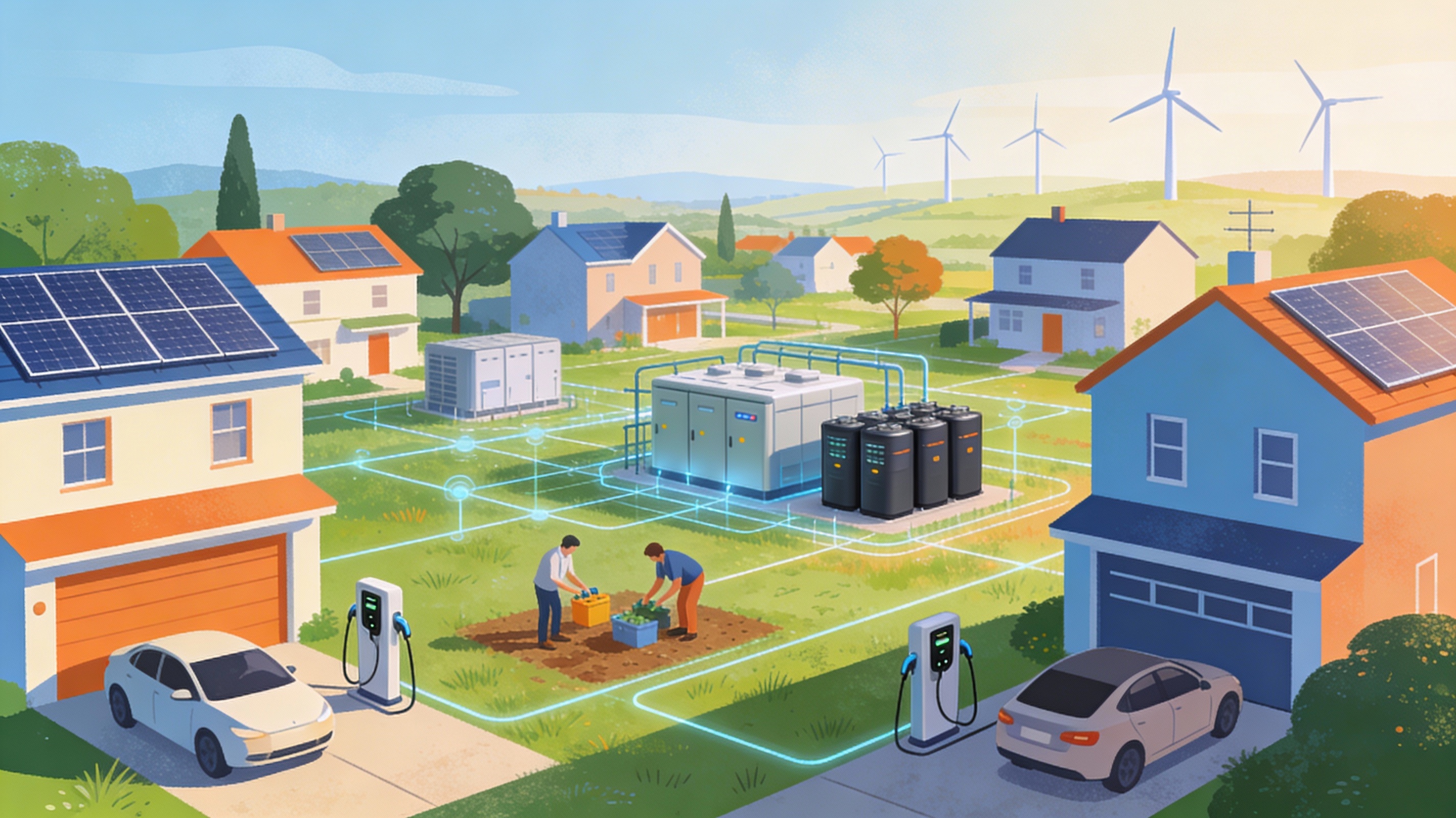
The grid is changing. Not gradually. Not on some distant timeline. But now, in real time, across Europe and beyond.
And with that change comes a question we are only just beginning to answer properly: what does grid resilience mean when energy is no longer centralised, and controlled from above, but distributed, local and increasingly in the hands of communities?
For decades, we have thought of a resilient grid as one that can survive a storm. A coal plant goes down; another ramps up to take its place. A transmission line fails; backup generation kicks in. Resilience was thought to be synonymous with redundancy.
But that model is breaking down. Not because it was wrong, but because the grid itself is being remade and the old solutions are no longer right for the new energy grid.
Resilience was always about more than just supply side dynamics
Here's what we often miss: resilience isn't the same as reliability. A grid can be reliable, with lights on 99.9% of the time, and still be fragile. One big shock and the whole system shudders.
Think of the European energy crisis of 2022. Russian gas supplies were progressively cut back and demand was surging. The grid didn't collapse because it had flexibility. Demand could be reduced. Storage could be called upon. Gas plants could ramp up. Interconnections with neighbouring countries helped balance things out.
The grid survived because it could bend without breaking.
That's resilience. Not just standing firm against shocks, but adapting to them. Absorbing them. Continuing to serve people even when conditions change dramatically.
Since the time of Edison, centralised utilities controlled resilience. They built bigger power plants. They reinforced transmission lines. They made the system stronger by making it more robust from the top down.
But there's a problem with that approach now. The shocks we're facing aren't just storms anymore. They're rapidly changing weather patterns. Geopolitical supply disruptions. Extreme heat and cold that strain systems in new ways. No amount of redundant capacity, in a traditional sense, can absorb all of that.
We need a different kind of resilience. One that comes from the bottom up. One that spreads the burden and the intelligence across thousands of points, rather than concentrating it in a few critical plants.
Distributed energy is resilience reimagined
This is where distributed energy changes the conversation entirely.
When you have solar panels on 50 million rooftops across Europe, you no longer have a single point of failure. When communities have battery storage, they can keep running even if the grid goes down for hours. When heat pumps and EV chargers can flex their demand based on grid conditions, they become not just consumers but active participants in keeping the system balanced.
Distributed energy doesn't replace the need for large power stations and transmission networks. We'll need those for many years to come. But it does something crucial: it distributes resilience. It shares the ability to respond, to flex, to contribute stability between millions of devices and millions of people.
A hospital with rooftop solar and battery storage doesn't lose critical power in an outage. A neighbourhood with flexible demand management can help the grid through a winter peak without needing a new coal plant. A farming community with a microgrid can keep operating even if the main grid is strained.
These aren't small things. They're the difference between a system that survives by accident and one that survives by design.
Making it flow
True resilience requires something different. It requires:
• Layered response: Resilience doesn't mean one solution. It means multiple solutions, across different levels, working together to respond to different kinds of disruption.
• Transparent coordination: Devices need to work together in a way that's clear to the owners, the aggregators and the grid operators.
• Local autonomy: Communities and utilities can be protected for a period if the broader grid fails. That means local storage. Local generation. And crucially, local intelligence about local needs.
• Trust as infrastructure: This might sound odd in a piece about technology, but it matters. Resilient systems are ones where people understand them, trust them and can act if things go wrong.
From vision to reality: The implementation challenge
Understanding what resilience requires is one thing. Building it is another.
Most utilities recognise this already. They know they need flexibility. They know distributed energy is part of their future. But the path from knowledge to action is crowded with obstacles: regulatory uncertainty, technical integration challenges, commercial complexity across multiple markets, and the simple fact that flexibility is still being figured out in real time across Europe.
The utilities that move decisively in the next 18 months will have a significant advantage. Not because the technology is hard, it's not. But because the commercial and regulatory landscape is still fluid. Early movers will shape how the market develops. They will build customer relationships at scale. They will learn what works and what doesn't before competition intensifies.
The good news is that this is no longer something utilities need to solve alone. Platforms, aggregators and technology companies offer the tools, the expertise and the operational capability to make flexibility participation achievable. The question is no longer "can we do this?" but "how quickly can we move?"
The opportunity ahead
The European Union views energy resilience as a strategic priority. And it's right to.
This shift is already beginning. Communities are building microgrids. Many utilities are beginning to operate flexible energy in the margins. Policymakers are creating space for distributed generation and storage. But it's still early. And the direction we choose now will shape grid resilience for our future.
Resilience is messy
In the end, grid resilience in an age of distributed energy looks different from the old model. It's not a few massive generators standing ready. It's millions of small sources of generation, storage and flexible demand, all working together. It's systems that can operate at multiple levels: neighbourhood, regional, national, European. It's intelligence that's distributed, not centralised. It's control that's shared, not hoarded.
It's messier, in some ways. Harder to plan. Requires coordination rather than command. But it's also more robust. More adaptable. More capable of surviving the kinds of shocks we are now facing with increasing regularity.
If you work in energy, climate, or technology and are committed to a clean and just energy transition, reach out. I would love to learn from you, collaborate with you, or simply share ideas over a virtual cuppa ☕.
🔗 shanetouheyenergy.eu | 📧 shane@shanetouheyenergy.eu
#GridResilience #DistributedEnergy #DER #Flexibility #EnergyTransition #SustainableEnergy #CleanTech #EnergyInfrastructure #Microgrids #EnergyStorage #ClimateAction #EnergyStrategy
Trust as Infrastructure: Why the Best VPPs Put People First
November 11, 2025
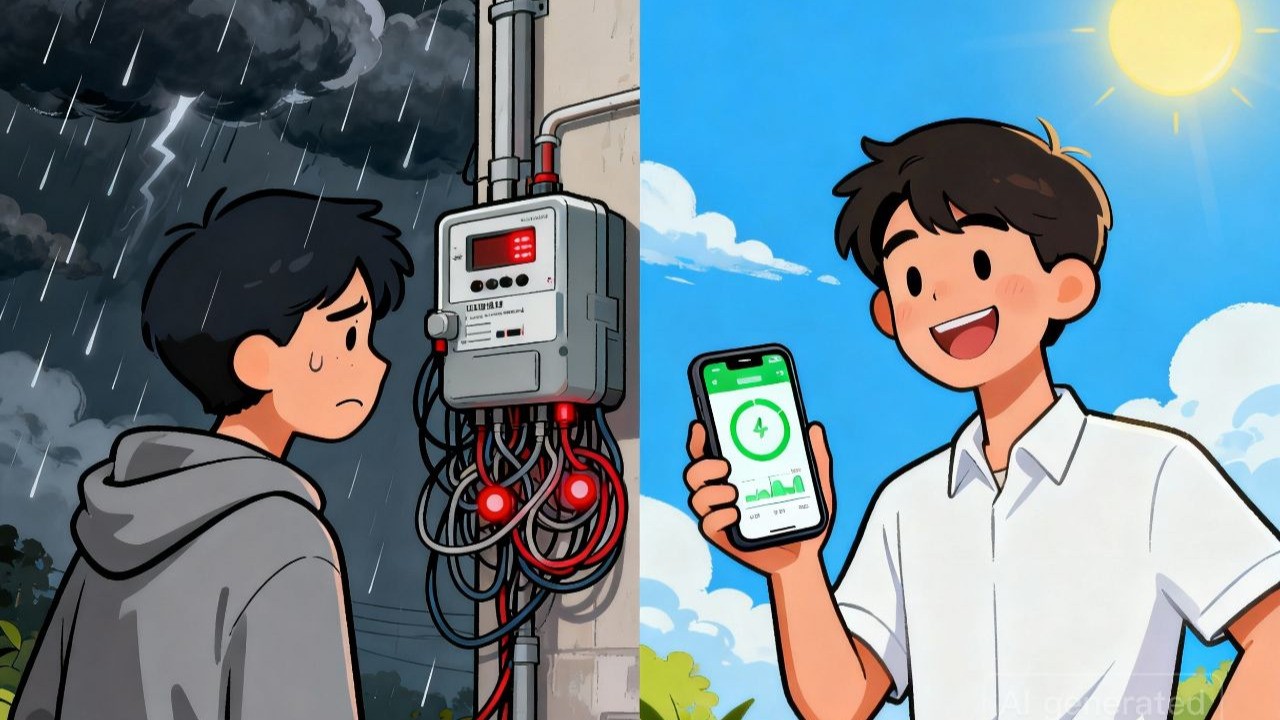
Technology in energy is moving fast. Algorithms calculate, devices talk, smart meters count every watt. But there is one thing no code can guarantee: trust.
Behind every virtual power plant, behind every flexible grid event, are people. People relying on this unseen system to keep their home safe, their food fresh, their day moving forward. When that trust breaks, everything else falls apart.
Trust is fragile
The future of energy depends on participation. Millions of homes with batteries, EVs, and solar panels must choose to trust. But that choice is delicate.
Consider Reposit Power's experience in Australia. For five years, they offered a VPP product called Grid Credits that promised customers one dollar per kilowatt-hour for battery discharges. It sounds compelling on paper. In practice, it became what one industry leader calls "naturally trust destroying for the customer." The offer was complex, prone to inflated promises from installers, and customers never felt quite sure what they would actually earn. Trust evaporated.
Beyond overall complexity, a single missed dispatch, an EV not ready when needed, can undo months of goodwill. Stories travel fast, spreading doubt where once there was excitement. For EV owners especially, whose anxiety about range is already real, smart charging feels like loss of control. Over 80 percent of potential EV buyers worry that charging infrastructure is inadequate and unpredictable. Add complexity, uncertainty, or a single failed charging event, and flexibility looks like a gamble rather than certainty.
This is not about money or hardware failing. It is about the invisible pact between people and technology cracking.
Designing for genuine transparency
The tools are there, and the technology is ready. But trust is not built in a lab.
It is built by design, by transparency, by respect.
Let people see why and when their devices shift. Clear dashboards and simple messages turn mysterious "dispatch" into shared action. For example, a notification saying "Your battery helped stabilise local demand for 12 minutes last Tuesday, reducing stress on the grid" is more than information. It is connection.
When things go wrong, fix them like a utility, not a startup. Quick, consistent, empathetic communication turns frustration into forgiveness. Silence only fuels fear.
Learning from what works
Make incentives real and meaningful. A payment is just numbers. But showing how that action eased a neighbour's blackout or relieved local grid strain builds pride and community.
Know your customers. Some want full automation; others want control. Green Mountain Power in Vermont offers this flexibility through their bring-your-own-device programs, where customers can choose whether to enroll their own batteries or lease utility-owned systems, with different dispatch parameters for each. Respecting comfort levels is respecting trust.
Listen and learn. Why did some leave? What support interactions brought others back? These stories hold the key to stronger, more resilient participation. When customers felt unheard or surprised by dispatch decisions, they departed. When they felt informed and valued, they stayed.
Trust as Capacity
As we build grids that flex and flow, trust will be the new measurement, more vital than megawatts.
Once lost, trust is ten times harder to regain.
As we scale VPPs beyond pilots, trust must be built like infrastructure, with the same levels of care and attention. Because every confident customer is not just kilowatts shifting. They are proof that the energy transition can be human, connected, and dependable.
If you work in energy, climate, or technology and are committed to a clean and just energy transition, reach out. I would love to learn from you, collaborate with you, or simply share ideas over a virtual cuppa ☕.
🔗 shanetouheyenergy.eu | 📧 shane@shanetouheyenergy.eu
#VirtualPowerPlants #EnergyTransition #DemandSideFlexibility #NetZero #SustainableEnergy #JustTransition #DER #FlexibilityMarkets #ClimateTech #SustainabilityLeadership #EnergyStrategy
Power for Change: Energy, Justice, and Hope in Palestine
September 23, 2025
The sun shines just as brightly in Palestine. But power doesn’t reach everyone. And when it does, it doesn’t always stay.
Palestine’s energy story is one of wires and walls, of potential stifled and people adapting. For decades, Palestinians have lived under the weight of energy dependence, grid fragility, and infrastructure denied or destroyed. But within this hardship is also innovation: rooftops with solar panels, communities building microgrids, families making resilience out of necessity in a volatile situation.
In a place where energy has been weaponised, flexible energy is becoming a form of resistance.
Energy Is Not Just About Supply, It Is About Sovereignty
Most of Palestine’s electricity comes from Israel. Gaza’s residents often endure only a few hours of power per day. In Area C of the West Bank, Palestinians are regularly denied authorisation for developing critical infrastructure.
But energy is not just a utility in Palestine. It is a gatekeeper. A control point. A flashpoint.
It decides if a hospital can operate an incubator, if a student can study after dark, if a village can keep its water flowing.
These are not just outages. They are denials: of dignity, of rights, of life.
Flexibility in Energy, and in Spirit
In the face of this imposed fragility, a quiet revolution is underway.
Small-scale solar systems, community microgrids, hybrid renewable setups. These are not just energy technologies, they are acts of agency. Rooftop PVs in Gaza, solar-powered water pumps in remote West Bank villages, AI-managed microgrids powering clinics and schools.
The Tubas solar plant (5.36 MW with storage) stands as a concrete example of this growing momentum, proving that investment in renewables can deliver resilience at scale even under constraint.
Flexible energy in Palestine is not a buzzword. It is survival tech. It is a strategy for autonomy when sovereignty is blocked.
But like everything in Palestine, it is not just technical. It is political. Because even the sun can be out of reach if the land it shines on is restricted.
Designing for Justice When the System Is Not Just
You cannot bolt human rights onto an energy system after it is built. You have to design for them from the start, especially when the status quo is exclusion.
Justice in Palestine’s energy future means:
- Building in places the grid will not go.
- Centring communities that have been systematically sidelined.
- Creating systems that survive not just storms, but sieges.
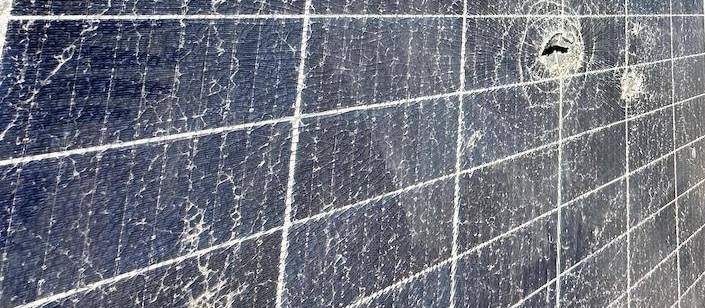
It also means confronting hard truths. Donor-funded solar arrays have been bulldozed. There are reports of solar arrays or battery systems being damaged or removed. Regulatory progress is too often blocked by occupation, not bureaucracy.
The EU and Germany continue to fund infrastructure in Area C, including electricity networks, through joint programmes that seek to bypass bottlenecks and bring essential services where authorisation is otherwise denied. These interventions show both the urgency and the difficulty of building a just energy future under occupation.
A Just Energy Future Is a Political Future
In Palestine, energy is inseparable from politics.
Offshore gas remains largely inaccessible. Infrastructure approvals are politicised. Grid expansion is more a matter of negotiation than planning.
But renewables offer something rare: a crack in the wall. A way to generate, store, and manage energy outside the constraints of the centralised, weaponised grid. A way to dream not just of sustainability, but of sovereignty.
Because real energy justice in Palestine is not just about carbon. It is about control. It is about who decides when the lights come on.
If you work in energy, climate, or technology and are committed to a clean and just energy transition, reach out. I would love to learn from you, collaborate with you, or simply share ideas over a virtual cuppa ☕.
🔗 shanetouheyenergy.eu | 📧 shane@shanetouheyenergy.eu
#DemandSideFlexibility #NetZero #SustainableEnergy #JustTransition #CleanEnergy #ClimateJustice #EnergyEquity #DER #FlexibilityMarkets #HumanRights #ClimateTech #SustainabilityLeadership #EnergyStrategy #PalestinePower
Justice in the Grid: Embedding Human Rights Into the Clean Energy Transition
July 22, 2025

The wind doesn’t ask who can afford to stay warm. The sun doesn’t know who owns the panels.
But our systems do. And so do we.
We are building the clean energy transition in real time - batteries, solar, flexible demand, virtual power plants. Technologies full of promise. But beneath the optimism of the climate tech world lies a quieter truth: Not all transitions are just.
Who owns the devices? Who gets left behind?
Energy Isn’t Neutral
We often talk in kilowatts, pricing signals, optimisation curves. But energy is not abstract. It reveals who we prioritise - The climate crisis is a human rights crisis:
- It displaces people from homes and lands;
- It burdens the most vulnerable;
- It’s driven by systems that still value profit over people.
The clean energy transition must not just decarbonise. It must decolonise, democratise, and humanise.
Design for Justice, Not Just Performance
In meeting rooms, I’ve heard the phrase “value stacking” countless times - maximising revenue streams from clean tech. But could we also stack values? Equity. Transparency. Inclusion.
Justice must be part of the architecture - not added in post.
These systems work best when they work for everyone, not just those with capital and access.
A Culture Shift, Not Just a Tech Shift
“Sustainability is a cultural choice.” It's not just a target or product feature. It's about how we hire, how we listen, how we include.
Justice isn’t a marketing metric - it’s a foundation on which we can build a better grid for the future.
A Just Transition Is the Only Sustainable Transition
I believe in a future where people’s power empowers people.
Where engineers, policymakers, and communities build in partnership - not in silos. Where we decarbonise and support each other.
If you work in energy, climate, or technology and are committed to a clean and just energy transition, reach out. I would love to learn from you, collaborate with you, or simply share ideas over a virtual cuppa ☕.
🔗 shanetouheyenergy.eu | 📧 shane@shanetouheyenergy.eu
The Collaborative Edge: Unleashing Innovation in the Flexible Demand Management Industry
May 18, 2025

The Flexible Demand Management Industry (FDMI) is evolving rapidly, presenting both immense opportunities and complex challenges. Unlocking its full innovative potential hinges on one critical factor: collaboration. Collaboration, partnerships, and the sharing of diverse expertise are not only beneficial; they are essential for driving progress in this dynamic landscape.
Innovation rarely thrives in isolation; insights from various fields highlight how diverse teams, encompassing varied professional and cultural backgrounds, can give an enhanced range of perspectives and generate a wider range of solutions.
This principle translates directly to the FDMI. Partnerships between different stakeholders – including technology providers, policymakers, community groups, and flexibility providers – are vital for bringing varied viewpoints to the table and fostering more innovative outcomes. Just as effective leadership relies on the cooperation of followers, the growth of the FDMI necessitates the active cooperation of numerous actors across the energy ecosystem.
Consider the approach of creative companies like Arup, which embraces a holistic view, collaborating with a wide spectrum of professionals from mathematicians and economists to artists and local politicians. This integrated, collaborative model offers a powerful analogy for the flexible demand landscape, which similarly demands a holistic perspective to navigate its multifaceted complexity.
The Value of Shared Expertise
Bringing together different areas of knowledge significantly accelerates innovation. Learning from others, including competitors and non-competitors, to adapt and improve ideas – is a valuable tool. The FDMI can benefit greatly by examining and adapting innovations from other industries too. Actively seeking external expertise is a core leadership practice that supports innovation and should be encouraged within the FDMI community.
Furthermore, research indicates that cognitively diverse teams solve problems faster. The challenges inherent in the FDMI field are multifaceted, demanding a wide range of skill sets to effectively tackle them. Fostering collaboration ensures that this necessary diversity of thought and expertise is harnessed.
Building a Collaborative Ecosystem for FDMI
While the benefits are clear, fostering collaboration isn't without its challenges, such as competing interests or a lack of communication. However, strategic approaches can help build a more collaborative ecosystem:
- Creating platforms for knowledge sharing and networking;
- Encouraging interdisciplinary projects and partnerships;
- Promoting open innovation initiatives;
- Developing clear communication channels between different stakeholders.
A Collaborative Imperative
A collaborative approach, leveraging diverse partnerships and shared expertise, is not merely advantageous – it is essential for unlocking the innovative potential of distributed energy resources and accelerating the transition to a just and sustainable energy future. Our collective mission to support the growth of energy flexibility relies heavily on collaboration, advocacy, and empowerment.
We must actively seek out partnerships, generously share our expertise, and work together to advance this crucial sector.
If you work in energy, climate, or technology and are committed to a clean and just energy transition, reach out. I would love to learn from you, collaborate with you, or simply share ideas over a virtual cuppa ☕.
🔗 shanetouheyenergy.eu | 📧 shane@shanetouheyenergy.eu
Good Practice in Environmental Decision-making to Drive Environmental Sustainability in Renewable Energy
June 11, 2024

Environmental decision-making processes play a pivotal role within the renewable energy sector and good practice in this decision-making is key to an effective clean energy transition. Professionals in this industry hold a significant responsibility in mitigating environmental harm and fostering a cleaner energy system through our choices and actions.
Understanding the impact of our decisions
In the dynamic landscape of renewable energy, various evolving factors influence environmental decision-making. Regulations, public opinion, and corporate responsibility are all important and are central to shaping the decisions of professionals. But ultimately all decisions are made by individuals or teams who hold the power to drive the direction and speed of progress for our industry.
Good practice involves a range of considerations, some core elements include understanding risk and uncertainty, considering the role of stakeholders, and effective evaluation processes. Professionals in this industry can adopt good practices to ensure environmentally conscious choices are made effectively.
Understanding risk and uncertainty
In environmental decision making, uncertainty and risk play important roles in assessing potential hazards and their impacts. A hazard is a known source of harm, such as pollution from the energy sector. A risk refers to the likelihood of a hazard occurring and its potential impacts, like the challenge of estimating pollution levels accurately. Uncertainty arises from incomplete knowledge about hazards or risks, like uncertainty about the effectiveness of energy efficiency measures in reducing pollution.
The precautionary principle is one way to mitigate risks, by taking measures to prevent harm from risks and uncertainties. For example, a social housing provider that I worked with spread the risk of installing energy efficiency measures by implementing various technological solutions to ensure success despite uncertainties about the effectiveness of each individual measure. Balancing risk and uncertainty is essential in making informed and sustainable environmental decisions.
Considering the role of stakeholders
Stakeholders, such as end users, government bodies and industry professionals, play a pivotal role in influencing environmental decision-making. Engaging stakeholders in decision-making processes is essential for aligning actions with broader environmental goals.
Utilising tools like stakeholder consultations, influence maps and stakeholder diagrams can help to illustrate the various stakeholders and their influence on decision-making processes and outcomes. Factors such as stakeholder buy-in, stakeholder diversity, and stakeholder preferences must be carefully considered in order to ensure successful implementation and effective positive environmental impacts.
As stakeholders ourselves, our dedication to renewable energy and commitment to combating man-made climate change can inspire individuals to make environmentally conscious choices that drive the industry towards sustainability.
Effective evaluation
Evaluation is not only useful for measuring success, but it’s our best opportunity to learn and improve. Evaluating the impacts of decisions, such as financial savings and carbon emissions reductions, ensures that progress is effectively tracked. But learning from past experiences can guide future environmental decision-making processes towards greater sustainability and positive environmental outcomes.
Carrying out ex-post evaluation can facilitate better practice, dedicating time and energy to reflect on decisions, their outcomes and their effectiveness is a simple and incredibly effective way to improve professional practice. By involving stakeholders and conducting thorough evaluations, we can enhance the effectiveness of our environmental decision-making practice.
Walking the path
Good environmental decision-making is a collective responsibility that professionals in the renewable energy sector must embrace. It is important to continue championing environmental sustainability in the industry to pave the way for a cleaner and more sustainable future.
I encourage professionals in the renewable energy sector to prioritise good environmental decision-making in their work, considering the long-term benefits it brings to the environment and society as a whole. Let's continue to drive positive change, reduce environmental impact, and lead the way towards a more sustainable future.
If you work in energy, climate, or technology and are committed to a clean and just energy transition, reach out. I would love to learn from you, collaborate with you, or simply share ideas over a virtual cuppa ☕.
🔗 shanetouheyenergy.eu | 📧 shane@shanetouheyenergy.eu
The Choice of Every Company to Champion Sustainability
September 25, 2023

I'm proud to be working in the renewable energy industry because I want to have a positive impact on the world by helping reduce emissions. 🌍
Working at Lunar Energy enables me to apply my technical skills to support a sustainable future and address the climate crisis. However, it’s widely accepted that technology alone cannot solve the climate crisis.
As Gary Lawrence once said, “Sustainability is a political choice, not a technical one. It’s not a question of whether we can be sustainable, but whether we choose to be.”
This is why it’s essential for companies to understand that, in order to meet external sustainability ambitions, a company must cultivate an internal culture that values sustainability.
A company's culture is its shared set of values, goals, attitudes and practices. Crucially, it comes from the people within the organisation intertwining a company’s culture and its people.
To foster a culture of sustainability, Lunar created a Sustainability Culture Council, an interdisciplinary team focussed on educating employees about sustainability and encouraging them to make sustainable choices both at home and for the company. I was fortunate to be part of the inaugural Sustainability Culture Council.
As a group, the Culture Council received direct support from the senior leadership team and the necessary resources to increase the internal awareness and level of knowledge around sustainability. Here are some key activities we carried out:
- ‘Lunch and Learn’ sessions: A key focus area, and one that I’m particularly passionate about, has been knowledge sharing. We were able to introduce a series of monthly ‘Lunch and Learn’ sessions, covering topics relating to sustainability and encouraging people to make sustainable choices personally and professionally. Topics included sustainable travel, sustainable communication, and outreach.
- Knowledge-sharing Hub: We also created a knowledge-sharing wiki, providing searchable information and resources accessible to anyone in the company. It contains information about key sustainability concepts, tools and practical tips.
- Raising the profile: A dedicated discussion channel and a monthly newsletter were created, with the team encouraged to share articles, advice and thoughts about sustainability. This ensured sustainability remained front of mind for the team and solidified sustainability as a common value.
Through the Sustainability Culture Council, Lunar is raising the profile of sustainability and shoring it up as a core part of the team's culture. The feedback for these activities has been overwhelmingly positive, with the team saying that they were better informed and more capable of making sustainable choices.
As individuals, we can all make sustainable choices, such as recycling and choosing sustainable brands. Our small actions contribute to a greater whole that can have a wider impact than our individual efforts. Companies, due to their larger size and economic and social influence, can have an even greater impact. Therefore, one way to magnify our influence is to ensure that, in our workplaces, we uphold sustainability as an integral part of the company's culture.
If you work in energy, climate, or technology and are committed to a clean and just energy transition, reach out. I would love to learn from you, collaborate with you, or simply share ideas over a virtual cuppa ☕.
🔗 shanetouheyenergy.eu | 📧 shane@shanetouheyenergy.eu
